

F1 MARCH 761-10
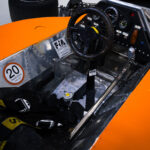
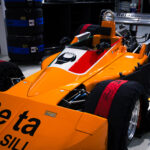
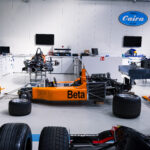
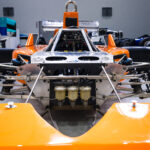
 Vends March 76-10 Formuule 1 1976-77
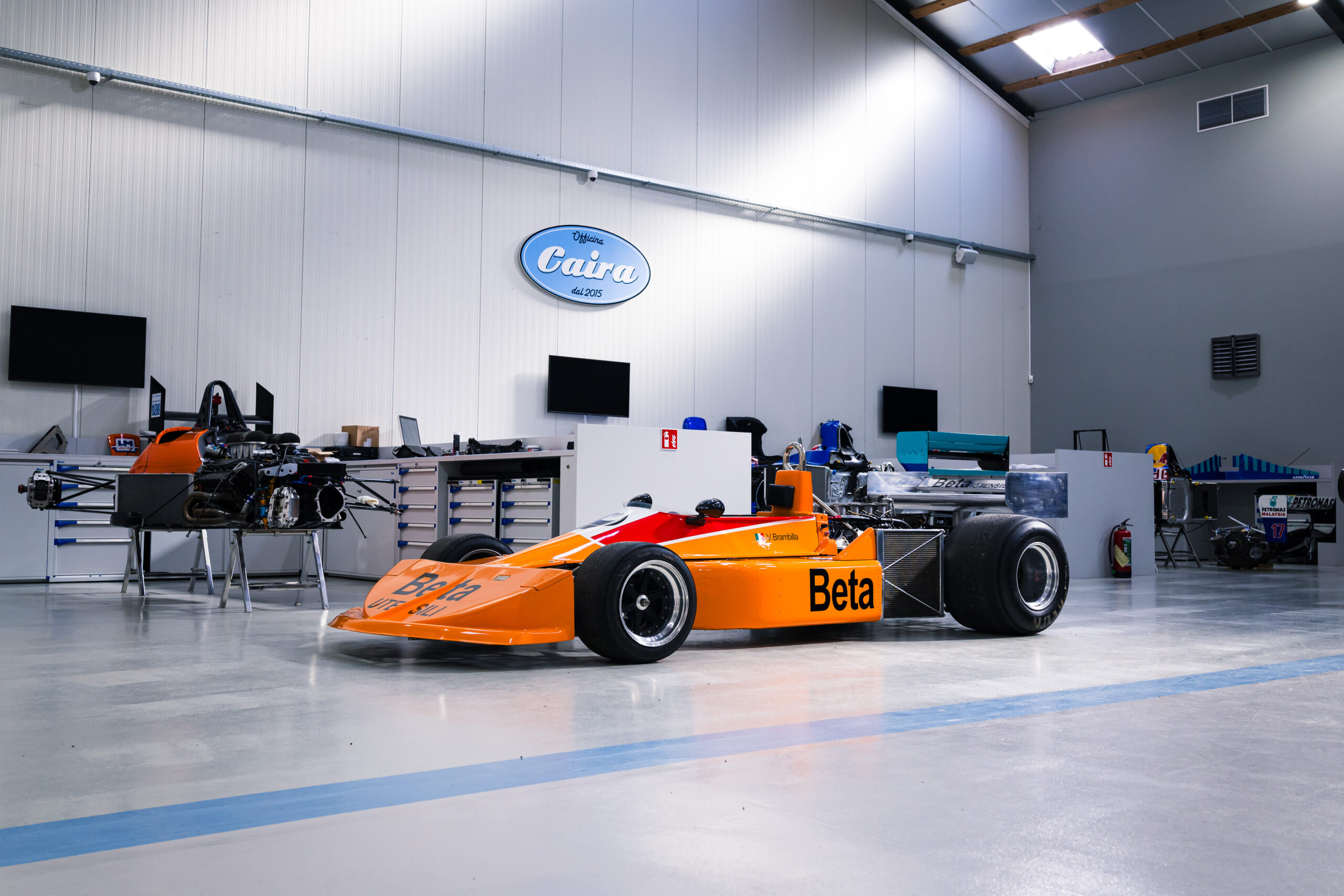
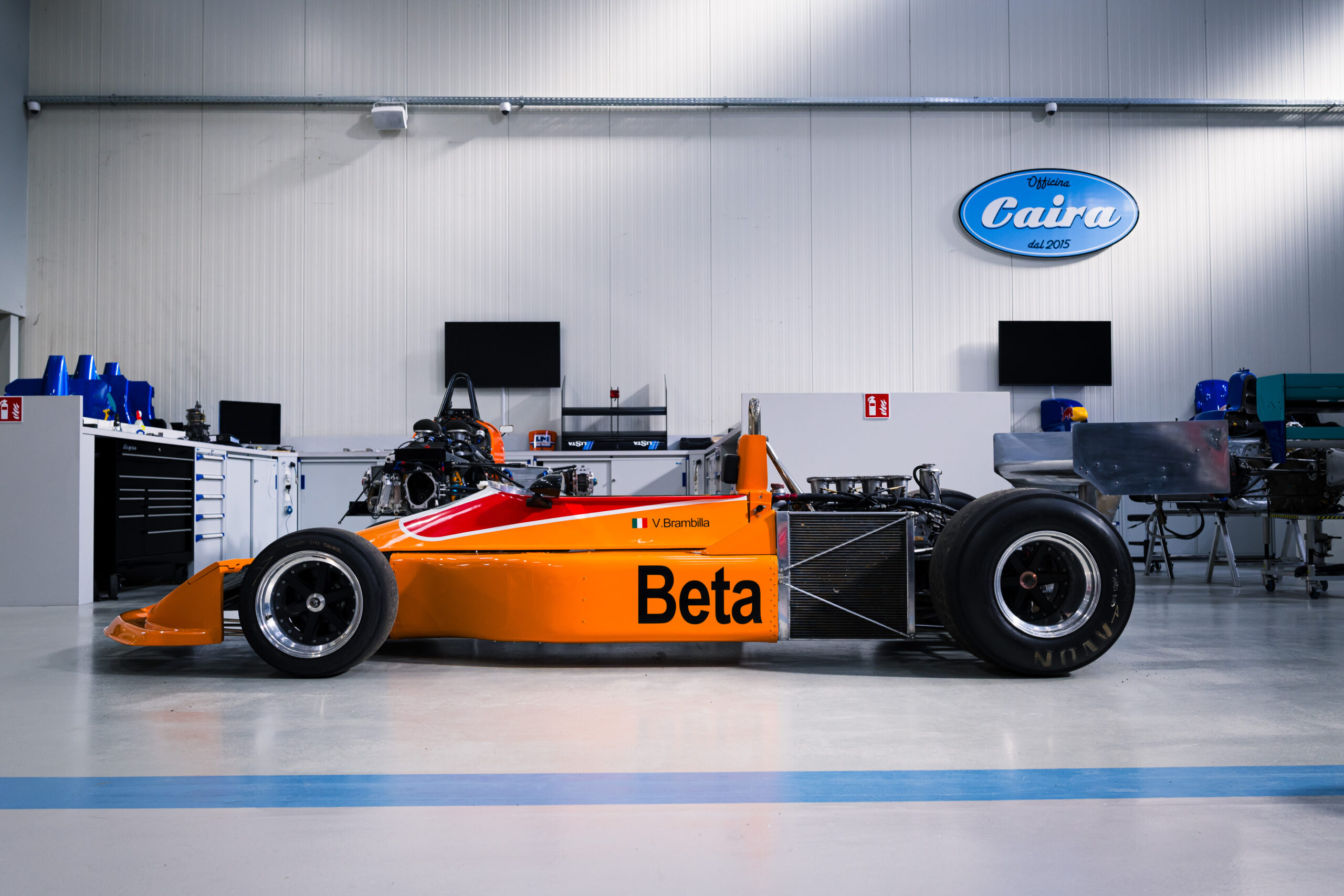
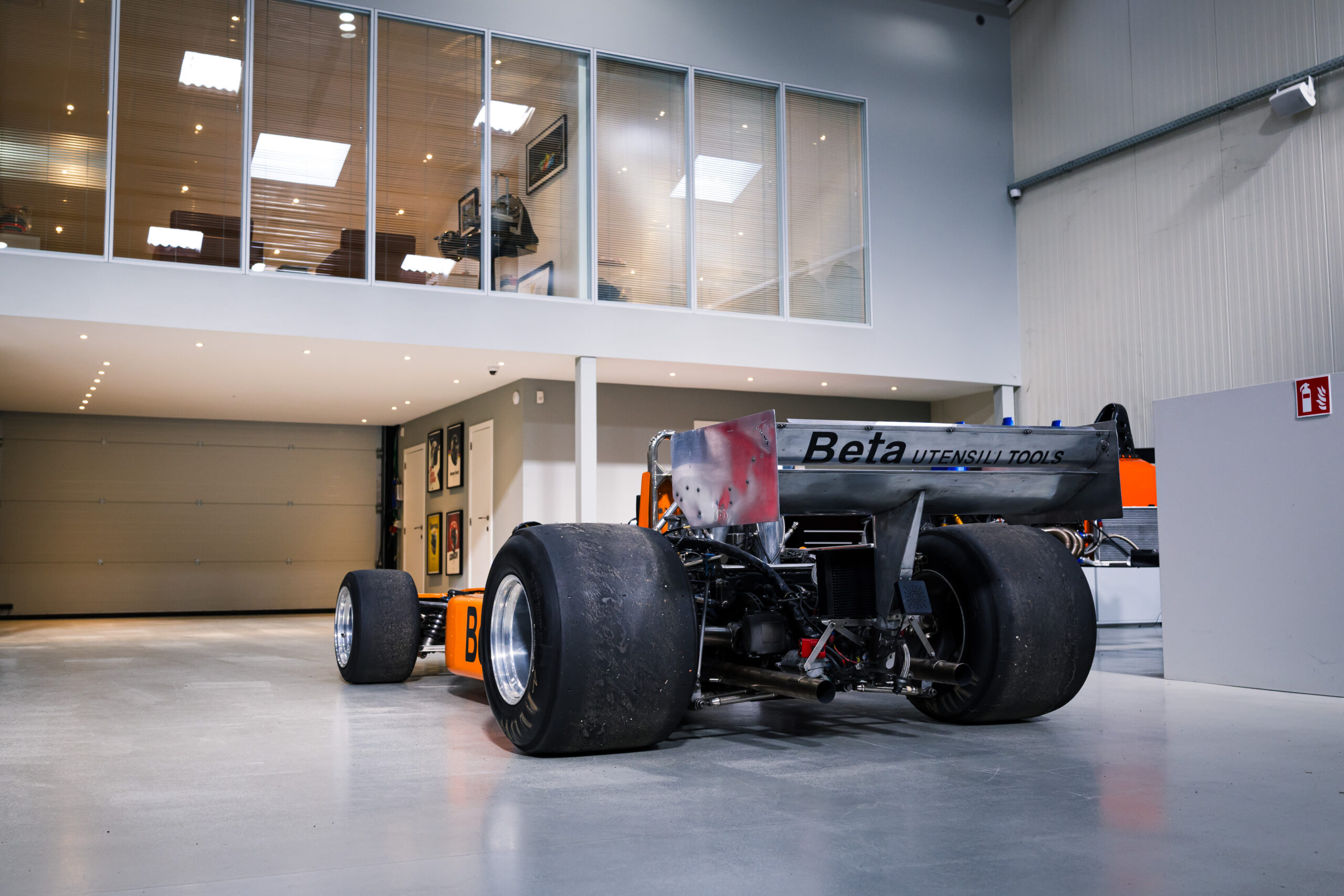
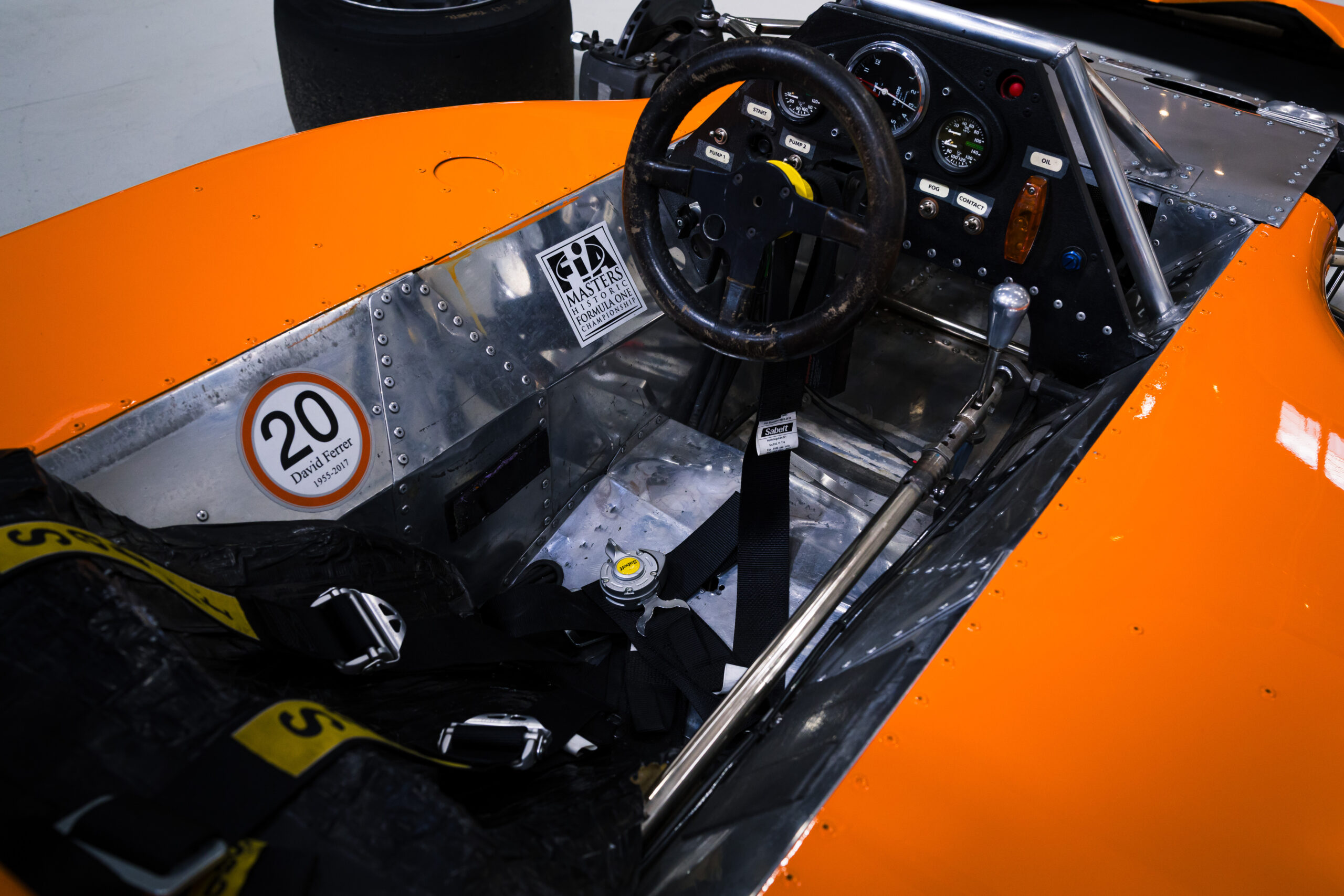
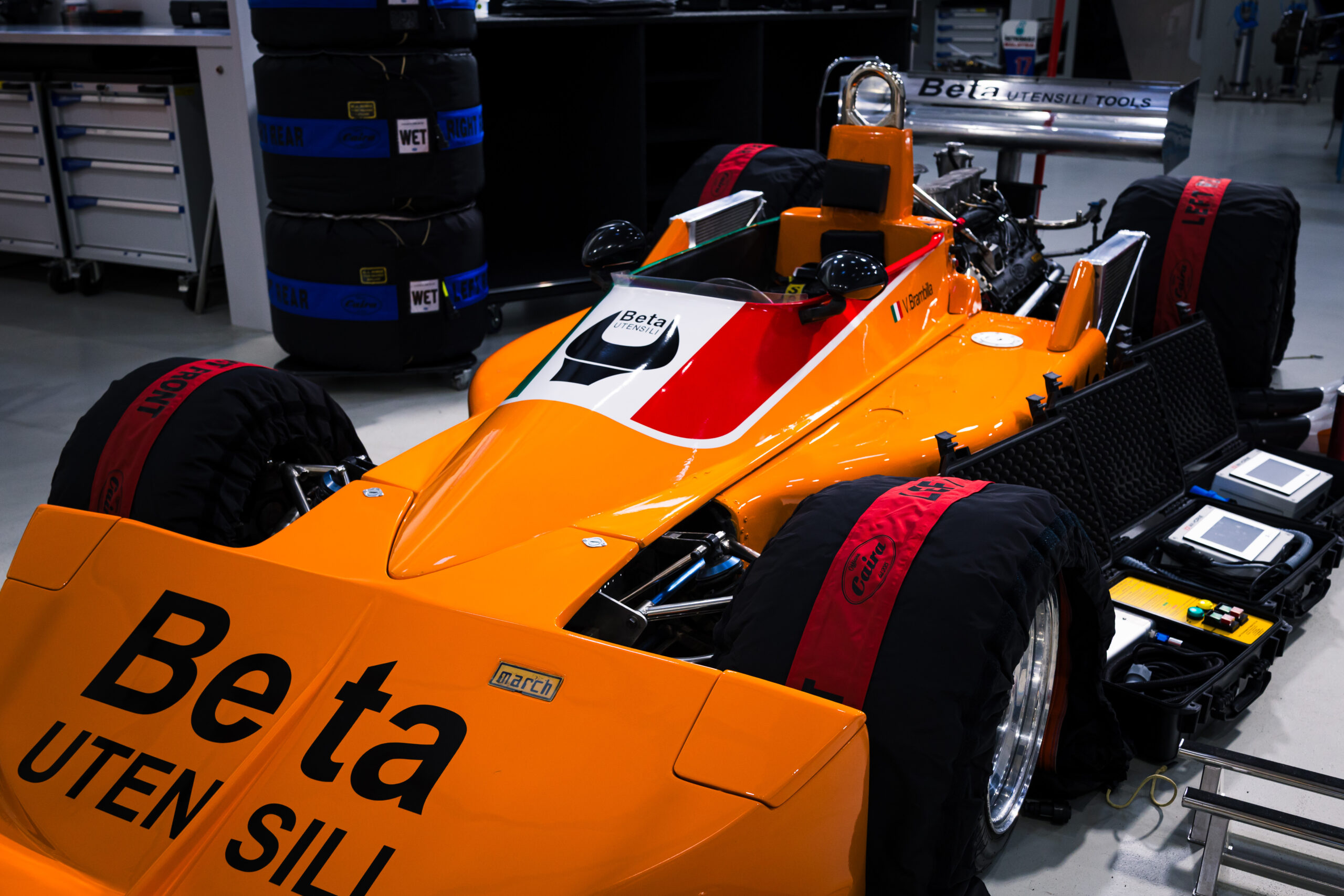
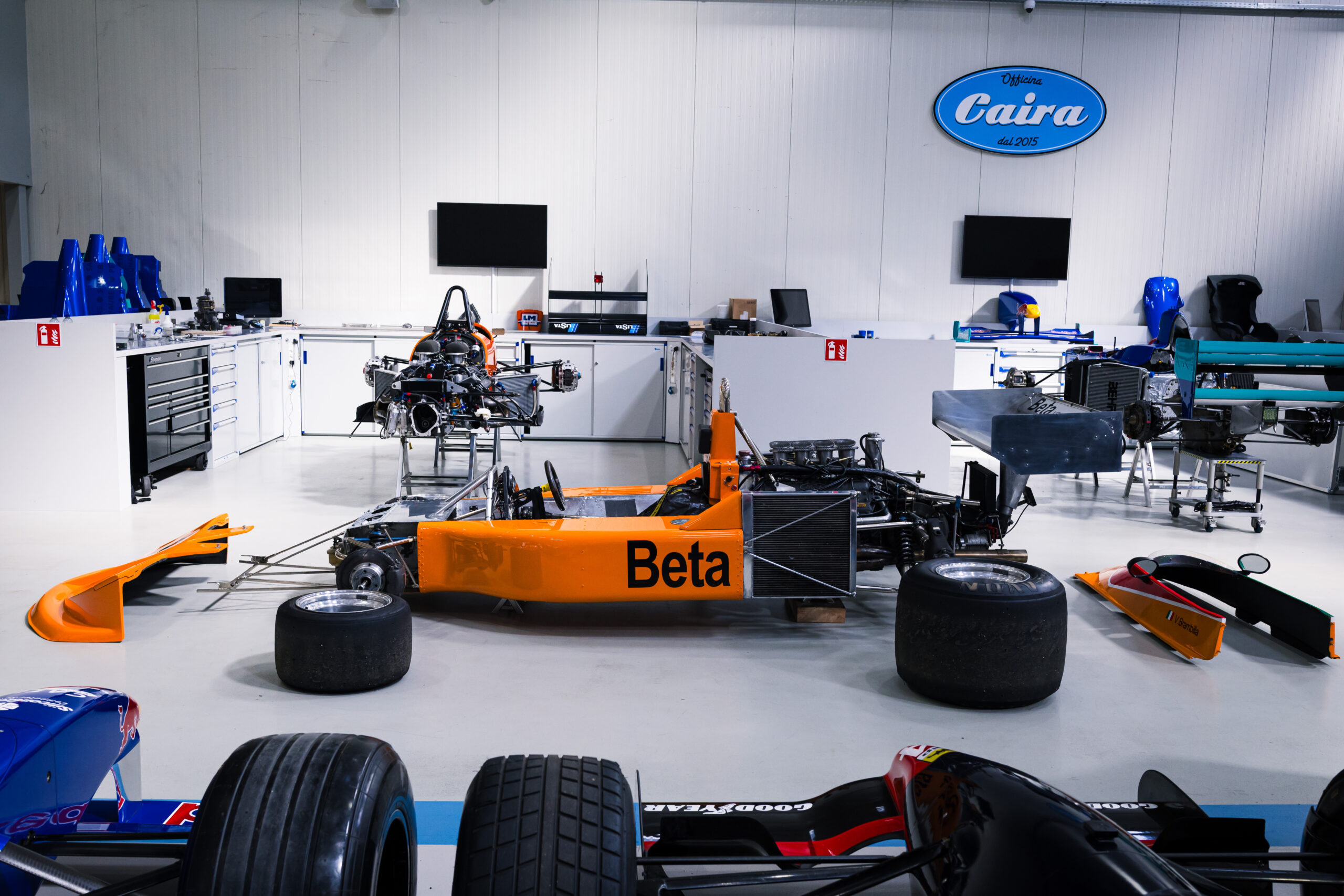
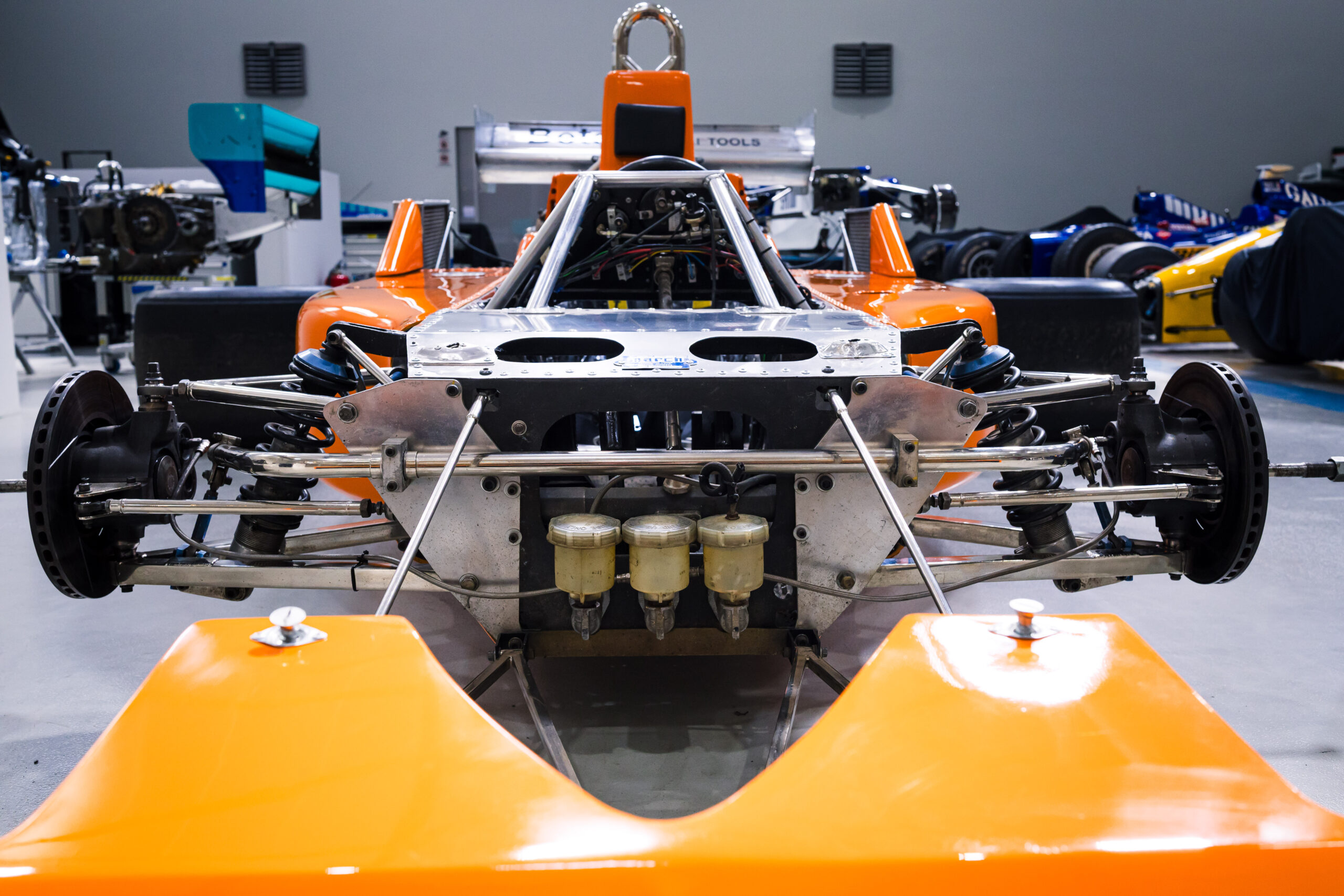
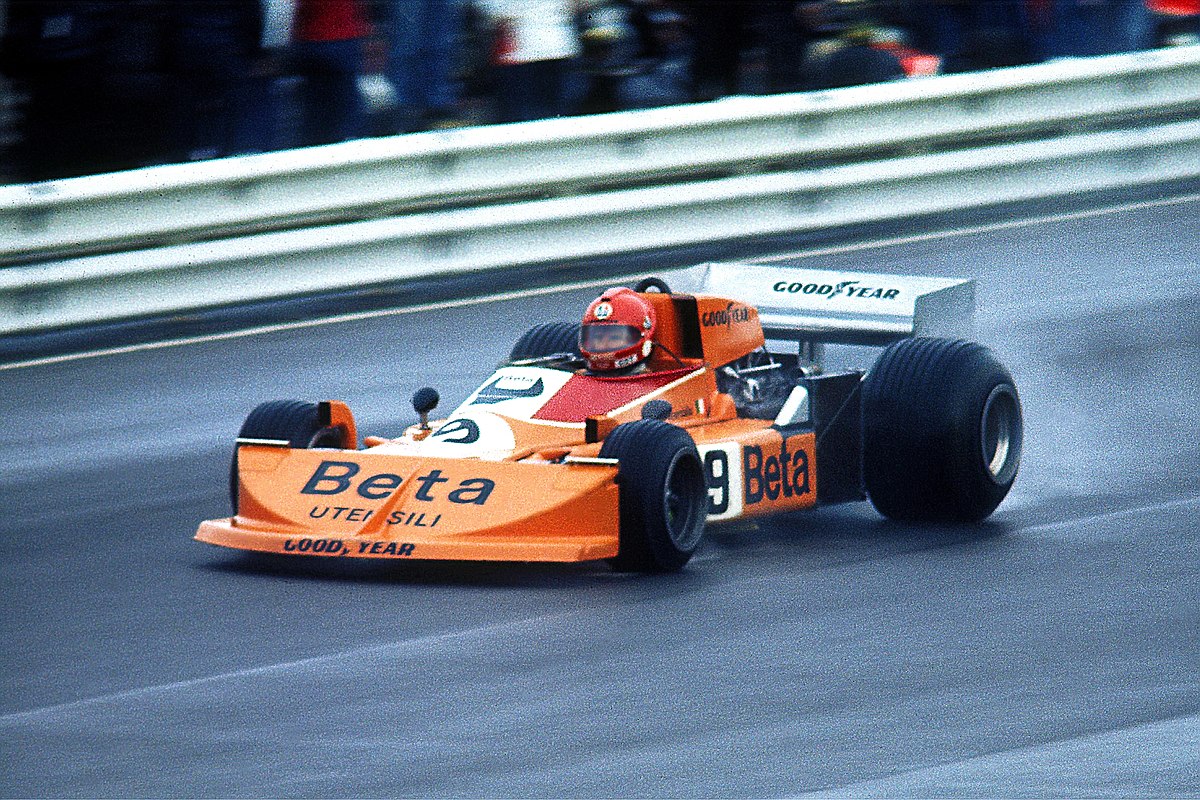
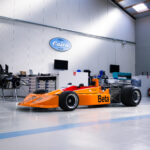
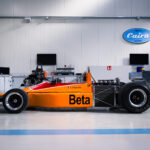
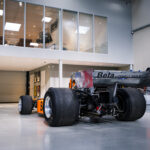
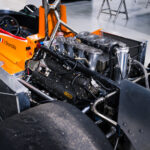
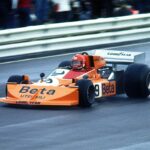
Cette splendide Formule 1 March 761-10 est en état de marche, mais n’a pas été révisée.
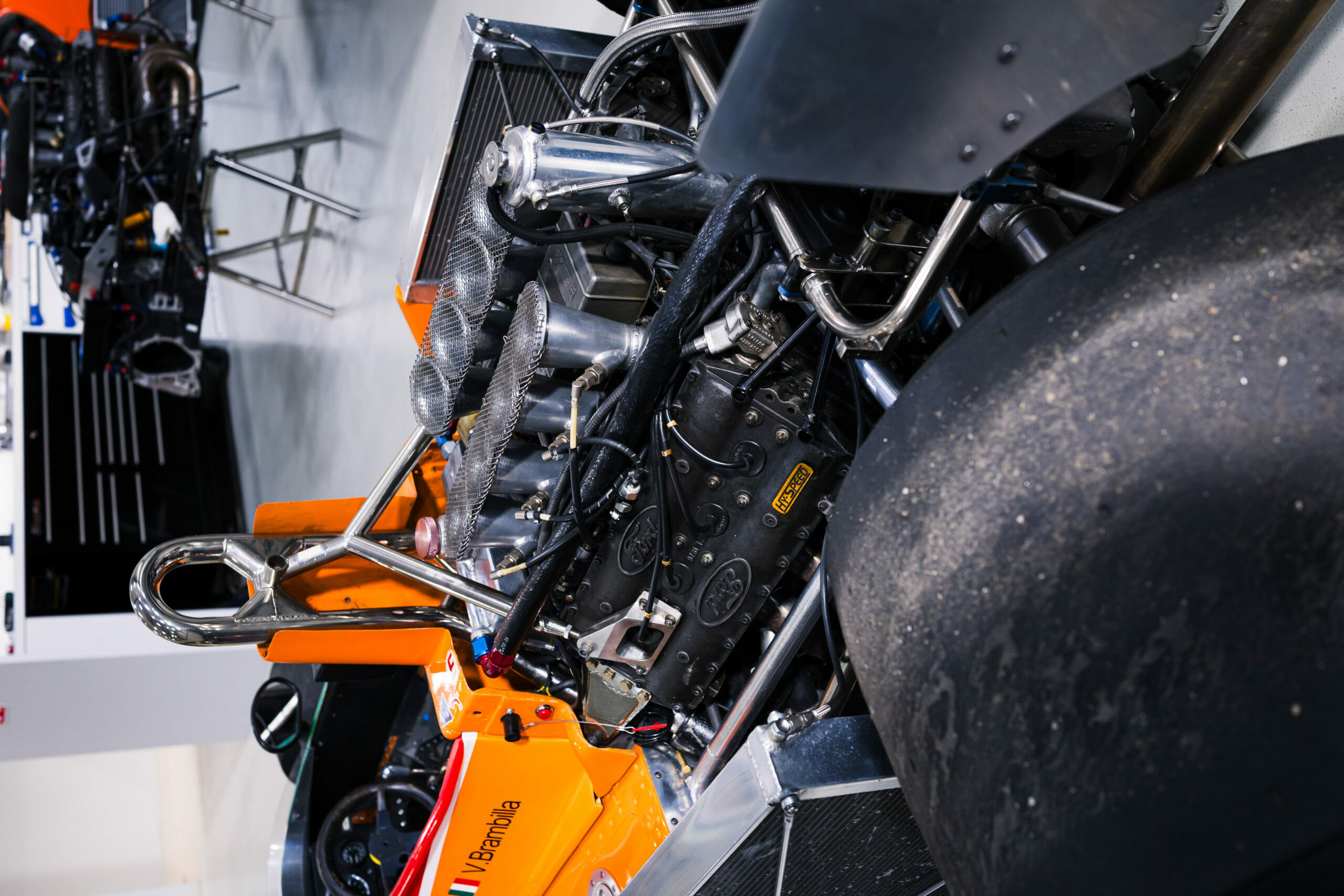
Moteur non révisé, dernière révision effectuée par Terry Hagerty.
Boîte de vitesses non révisée, dernière révision effectuée par Bernard de Dryver.
Elle est éligible pour : Monaco Historique, Masters Historic, Gulf Historic, Grand Prix de France Historique et les courses de support de Formule 1.
SPECIFICATIONS :
Modèle : 761
Année : 1976-77
Équipe : Beta Team March
Pilotes : Michael Bleekemolen / Vittorio Brambilla / Bernard de Dryver / Boy Hayje / Brian Henton / Jean-Pierre Jaboulille / Mikko Kozarowitzky / Lella Lombardi / Brett Lunger / Arturo Merzario
Moteur : Ford Cosworth DFV V8
PALMARES :
1976 Championship – 24 teams – 35 drivers
Vittorio Brambilla 19th at Championship
Beta Team March finish 7th right behind Ligier Matra and in front of Shadow Ford Cosworth
Brazil : Chassis #10 Vittorio Brambilla DNF
South Africa : Chassis #10 Vittorio Brambilla 8th Place
USA West : Chassis #10 Vittorio Brambilla DNF
Spain : Chassis #10 Vittorio Brambilla DNF
Belgium : Chassis #10 Vittorio Brambilla DNF
Monaco : Chassis #10 Vittorio Brambilla DNF
Sweden : Vittorio Brambilla 10th Place
France : Vittorio Brambilla DNF
Great Britain : Vittorio Brambilla DNF
Germany : Vittorio Brambilla DNF
Austria : Vittorio Brambilla DNF
Netherlands : Vittorio Brambilla 6th Place
Italy : Vittorio Brambilla 7th Place
Canada : Vittorio Brambilla 14th Place
USA : Vittorio Brambilla DNf
Japan : Vittorio Brambilla DNF
HISTOIRE :
La March 761 était une monoplace de Formule 1 conçue par Robin Herd de March Engineering pour la saison 1976 et utilisée en 1977.
En 1976, Ronnie Peterson, insatisfait des performances peu compétitives de la Lotus 77, retourna chez March, pour laquelle il remporta la deuxième et dernière victoire à Monza.
La 761 était rapide mais fragile. À cette époque, l’engagement en F1 était mené avec un budget très serré, avec deux voitures d’usine pilotées par Peterson et Hans-Joachim Stuck. Les voitures arboraient souvent des livrées différentes au gré des contrats de sponsoring signés course après course. Une équipe B, baptisée March Engines, était engagée pour les pilotes professionnels Lella Lombardi et Arturo Merzario. À cette époque, l’écurie de Formule 1 subissait une forte pression de la part de BMW, qui souhaitait que Robin Herd se concentre entièrement sur l’engagement officiel en Formule 2. Cette dernière commençait à être distancée par les constructeurs français (Martini et Elf) et la nouvelle marque Ralt.
Cette année-là, Peterson ne marqua qu’un seul point avant de signer un nouveau contrat avec Tyrrell pour 1977.
Bien qu’il se sentît chez March, il était clair que l’écurie ne disposait pas des ressources nécessaires pour s’engager sérieusement en Formule 1.
Une participation symbolique en F1, sponsorisée par Rothmans, fut menée en 1977 par Alex Ribeiro et Ian Scheckter, mais sans résultat probant.
Cependant, alors que les écuries officielles se retiraient progressivement de la F1, la 761, grâce à son faible coût, sa simplicité et sa grande disponibilité, devint la voiture de prédilection des écuries privées, notamment Frank Williams qui, après sa rupture houleuse avec Walter Wolf, avait besoin d’une voiture pour reprendre la compétition avant que la sienne ne soit prête.
Merzario construisit par la suite sa propre monoplace de Formule 1, sans succès, basée sur son ancienne 761. Avec Simon Hadfield, il tenta de la transformer en monoplace à effet de sol.
Ce programme fut un échec total.
À la fin de la saison 1977, les actifs de l’écurie de Formule 1 et son adhésion à la FOCA furent vendus à ATS (qui avait racheté les Penske). Herd fut conservé comme consultant et se retrouva ainsi dans la situation paradoxale de développer une version améliorée de sa propre monoplace de 1975. L’ATS de 1978 présentait d’ailleurs certaines caractéristiques rappelant les idées de March de l’époque.
Mosley quitta l’entreprise pour se consacrer aux affaires de la FOCA.
 1976-77 March 761-10 offered for sale.
his splendid Formula One March 761-10 is running, but not revised.
Engine not overhauled, last revised by Terry Hagerty
Gearbox not overhauled last revised by Bernard de DRYVER
And is eligible for: Monaco Historique, Masters Historic, Gulf Historic, Grand Prix de France Historique, F1 support races
SPECIFICATIONS :
Model : 761
Year : 1976-77
Team : Beta Team March
Drivers : Michael BLEEKEMOLEN / Vittorio BRAMBILLA / Bernard de DRYVER / Boy HAYJE / Brian HENTON / Jean-Pierre JABOUILLE / Mikko KOZAROWITZKY / Lella LOMBARDI / Brett LUNGER / Arturo MERZARIO
Engine : Ford Cosworth DFV V8
FULL RACE RESULTS :
1976 Championship – 24 teams – 35 drivers
Vittorio Brambilla 19th at Championship
Beta Team March finish 7th right behind Ligier Matra and in front of Shadow Ford Cosworth
Brazil : Chassis #10 Vittorio Brambilla DNF
South Africa : Chassis #10 Vittorio Brambilla 8th Place
USA West : Chassis #10 Vittorio Brambilla DNF
Spain : Chassis #10 Vittorio Brambilla DNF
Belgium : Chassis #10 Vittorio Brambilla DNF
Monaco : Chassis #10 Vittorio Brambilla DNF
Sweden : Vittorio Brambilla 10th Place
France : Vittorio Brambilla DNF
Great Britain : Vittorio Brambilla DNF
Germany : Vittorio Brambilla DNF
Austria : Vittorio Brambilla DNF
Netherlands : Vittorio Brambilla 6th Place
Italy : Vittorio Brambilla 7th Place
Canada : Vittorio Brambilla 14th Place
USA : Vittorio Brambilla DNf
Japan : Vittorio Brambilla DNF
HISTORY :
The March 761 was a Formula One racing car designed by Robin Herd of March Engineering for the 1976 season which saw continued use in 1977.
In 1976, Ronnie Peterson was unhappy with the uncompetitive Lotus 77, and returned to March for whom he scored the team’s second and last win at Monza.
The 761 was fast but fragile and by this point the F1 effort was being run on a shoestring with a two-car ‘works’ effort featuring Peterson and Hans-Joachim Stuck, the cars tending to turn up in different liveries as race-by-race sponsorship deals were signed, and a ‘B-team’ entered under the March Engines banner for paying drivers Lella Lombardi and Arturo Merzario.
By now the F1 effort as a whole was under fairly severe pressure from BMW, which wanted Robin Herd to concentrate entirely on the works’ Formula Two effort, which was starting to be outpaced by French constructors (Martini and Elf) and the new Ralt marque.
That year, Peterson scored only one other point before being brokered back into a deal with Tyrrell for 1977.
Although he felt most at home at March, it was clear that the team didn’t have the resources to do Formula One « properly ».
A token F1 effort with Rothmans sponsorship was run in 1977 for Alex Ribeiro and Ian Scheckter, but nothing worthwhile was achieved.
Yet, as the works were fading from F1 the 761, by virtue of being cheap, simple and readily available, became the tool of choice for privateers, notably Frank Williams who after his acrimonious split with Walter Wolf needed a car to get back into racing before his own vehicle was ready.
Merzario later built his own unsuccessful F1 car based on his old 761, which he and Simon Hadfield attempted to develop into a ground effect car.
This programme was completely unsuccessful.
At the end of the 1977 season, the F1 team’s assets and FOCA membership were sold to ATS (who had bought the Penske cars); Herd was retained by them as a consultant and was hence in the curious position of developing a development of his own 1975 car – and the 1978 ATS had some features reminiscent of contemporary March thinking.
Mosley left the company to concentrate on FOCA matters
More info:
www.officinacaira.com
info@officinacaira.com
Silvano Caira : +32 475 644 933
Possibility to rebuild your F1 car and engine in our workshops.
Passeports techniques
| Passeport | ASN | Numéro | Extrait |
|---|---|---|---|
| Passeport technique international (PTH) |



Parutions Presse
Cette annonce est parue sur les Réseaux Sociaux suivants :


